Why Your Brows Look Different in Autumn (and What to Adjust)
Quick Answer: Brows genuinely look sparser in autumn because of a seasonal shedding peak that affects body hair as well as scalp hair, compounded by drier skin flattening the hairs and by summer grooming habits that overplucked. Conditioning the skin underneath helps faster than any product applied to the hairs.
You have not changed anything about your routine.
But the tail of your brow has gone thin and the front looks patchy in the morning light.
Three things are happening, and two of them resolve on their own.
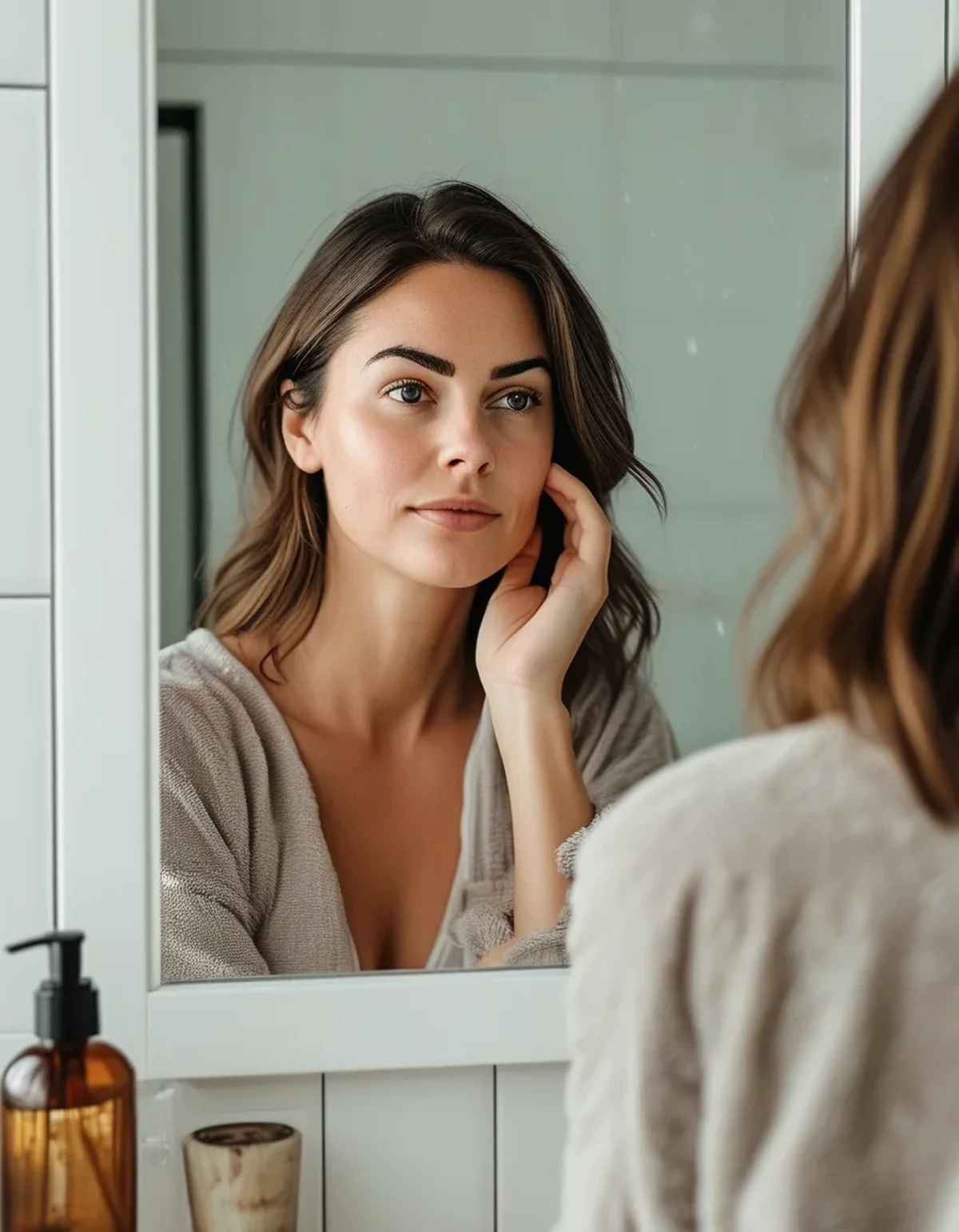
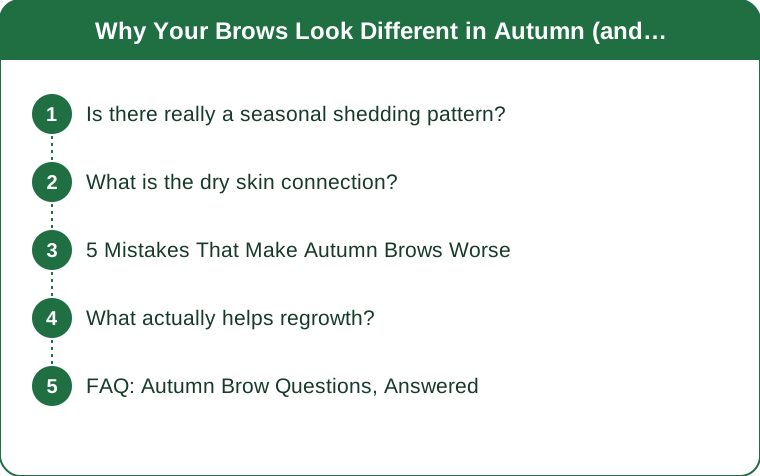
Is there really a seasonal shedding pattern?
Yes, and it is well documented, though most people only associate it with scalp hair.
Hair grows in cycles — a growth phase, a transition phase, and a resting phase, after which the hair sheds. Scalp hair shows a consistent seasonal pattern with more hairs entering the resting phase in late summer, producing a shedding peak roughly two to three months later. That is why September and October are when people notice more hair in the brush.
Brow hair follows a much shorter cycle than scalp hair — a growth phase of around 30 to 45 days versus years for the scalp — but the seasonal influence is still present. The visible effect is subtler and shorter-lived, which is exactly why people attribute it to something else.
The practical timeline: a noticeable thinning through September and October, with regrowth becoming visible by late November. If your brows look sparser right now and nothing else has changed, waiting is a legitimate strategy.
What is not seasonal: sudden loss of the outer third of both brows, which is worth mentioning to a doctor. This is general information, not medical advice.
What is the dry skin connection?
Underrated, and the fastest thing to fix.
Brow hairs sit in skin, and skin condition affects how they behave. Dry, flaky skin at the brow line makes hairs lie flatter and clump together, which visually reads as patchiness even when the hair count is unchanged. It also makes brow products grab unevenly, so pencil and powder go on blotchy.
The area is genuinely prone to it. The brow is a high-density follicle region with more sebaceous activity, which people respond to by using stronger cleansers there — and then the seasonal humidity drop finishes the job.
The fix: treat the brow area as skin, not as hair. A light moisturiser or a facial oil worked into the skin at the brow line, at night, three or four times a week. Skip anything heavily fragranced this close to the eye.
Most people see a change in how their brows look within about a week, which is far faster than any growth-based intervention could possibly work. If your brows have looked wrong for a fortnight, start here.
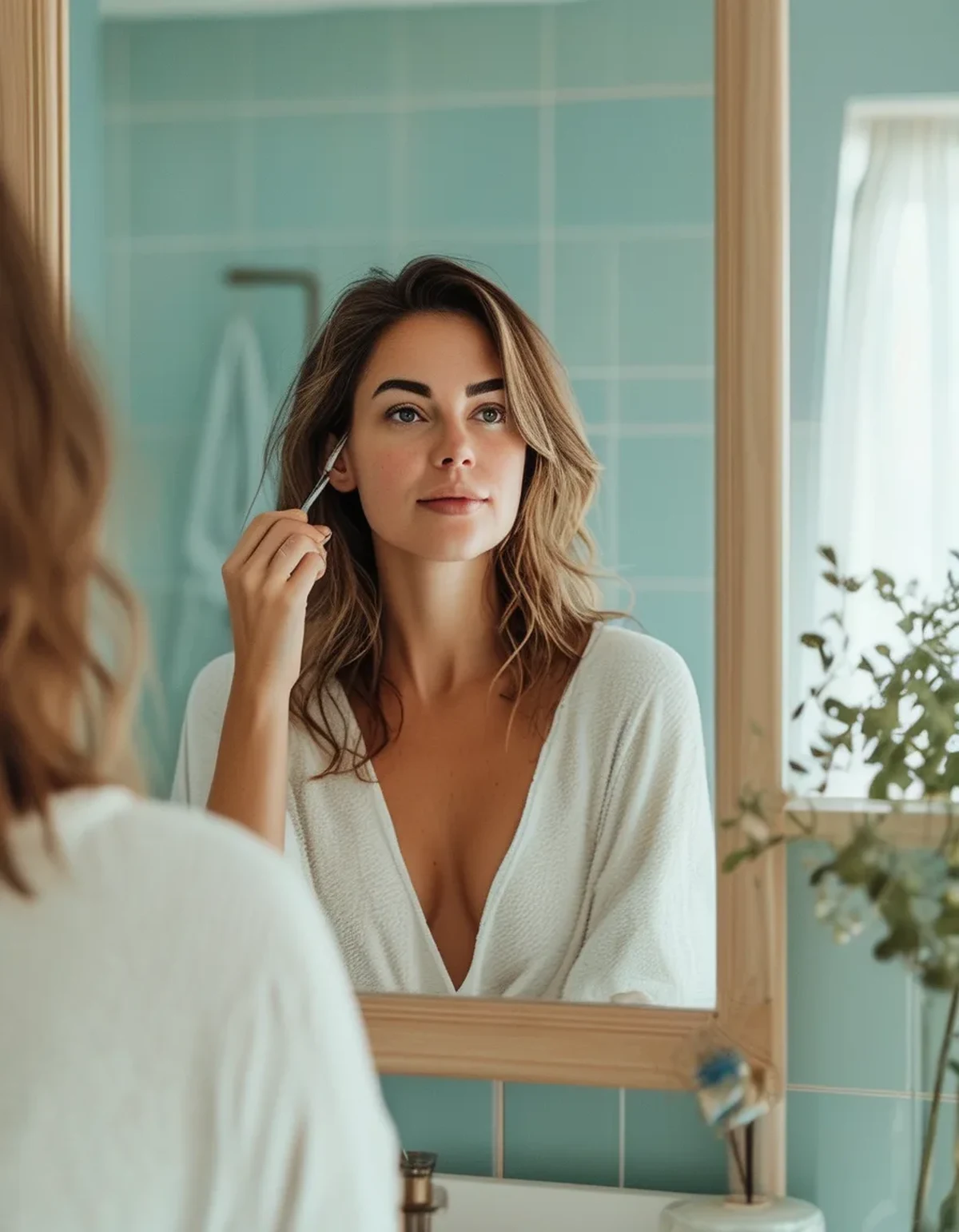
5 Mistakes That Make Autumn Brows Worse
1. Plucking to fix the patchiness. The strays are often the newly regrowing hairs from the summer shed. Removing them extends the sparse phase by another full growth cycle.
2. Over-brushing. Aggressive daily brushing with a spoolie removes hairs that are already loosely attached during a shedding phase. Brush gently, and less often than you would in spring.
3. Using a harsh cleanser on the brow line. Foaming cleansers strip exactly the area that needs lipids right now. Cleanse gently, and moisturise afterwards.
4. Switching to a darker pencil to compensate. Darker product on sparser hair emphasises the gaps rather than filling them. A shade lighter with more strokes reads as fuller.
5. Starting a growth serum and judging it in three weeks. The third mistake costs the most in appearance terms, but this one costs the most in money: brow hair cycles run 30 to 45 days, and any serum needs 8 to 12 weeks minimum before a fair assessment. Most people quit at week four and try a different one.
What actually helps regrowth?
A short list, honestly ranked.
Time. The seasonal shed reverses on its own. For anyone whose brows were fine in June, this is the correct primary intervention.
Not removing hair. The single most effective active step. Growing brows back after over-plucking takes 3 to 4 months of leaving them entirely alone, and most failures are people who could not resist tidying at week six.
Skin conditioning. Fast visible improvement in appearance, as covered above, though it does not increase hair count.
Castor oil. Popular and largely unsupported by evidence for growth. It does condition the skin and coat the hairs, which improves appearance — so it works, just not by the mechanism people believe.
Peptide-based brow serums. Modest evidence, mostly manufacturer-funded. Some people see real results over 12 weeks.
Prostaglandin analogue serums — the same class as prescription lash treatments. These have genuine evidence behind them and genuine side effects, including skin darkening and, rarely, changes to iris pigmentation. Worth a conversation with a dermatologist rather than an online purchase.
Nutrition. Only relevant if you are actually deficient. Iron deficiency in particular is a real and common cause of hair thinning in women and is worth testing for if the shedding is significant or prolonged.
FAQ: Autumn Brow Questions, Answered
How long does the seasonal shed last?
Typically 6 to 10 weeks, with regrowth visible by late autumn. If it is still going in January, it is probably not seasonal.
Should I get them tinted while they are sparse?
Tinting is one of the better options during a sparse phase because it darkens the fine, pale hairs that are already there, which reads as fuller without adding product. It also has no effect on the growth cycle.
Is brow lamination a good idea right now?
It makes the most of existing hair by redirecting it to cover gaps, which is genuinely effective for patchiness. The processing is somewhat harsh, so if your hairs are already fragile from a shed, wait a few weeks.
TL;DR:
- Autumn brow thinning is largely a seasonal shed and it reverses by late November on its own.
- Dry skin at the brow line flattens hairs and reads as patchiness — moisturising fixes appearance within a week.
- Stop plucking; the strays are usually the regrowth you are waiting for.
- Growth serums need 8 to 12 weeks before a fair judgement, and castor oil conditions rather than grows.
The genuinely useful move for the next six weeks is to do less: moisturise the skin, brush gently, leave the tweezers in the drawer, and let the cycle finish. Almost everyone who does that finds the problem solved itself by the time the clocks have been back a month. This is general information, not medical advice.
Keep Reading
This article is for general informational and styling purposes only. Fit, sizing, and product availability may vary.