What Indoor Heating Does to Your Brows and Lashes - and the Fix
Quick Answer: Indoor heating drops the humidity of the air substantially, and hair - including brows and lashes - loses moisture to dry air, becoming more brittle and more prone to breakage. The practical routine is to add a conditioning step, reduce mechanical stress from curlers and rubbing, be gentler with removal, and consider a humidifier in the room where you sleep. Do this before the heating season is fully underway, because prevention is far easier than regrowing lashes that have already broken.
Every year the same thing: by late October your lashes look sparser, you assume it is shedding, and you start a serum. The dry air got there first.
What does dry indoor air do to hair?
Hair exchanges moisture with the surrounding air. In low humidity, hair loses water to the environment, and drier hair is measurably more brittle and less flexible - which means it breaks under stress it would previously have tolerated.
Heating systems reduce indoor humidity considerably. Warming cold outdoor air without adding moisture lowers the relative humidity of the room, which is why the heating season and dry skin, chapped lips, and static hair all arrive together.
Brows and lashes are short, fine hairs with a shorter growth cycle than scalp hair. Lash growth cycles are commonly described as lasting a matter of weeks to a few months, so damage shows up relatively quickly - and takes a proportionate time to recover.
Breakage looks exactly like shedding. A lash that snaps mid-shaft leaves a shorter stub rather than an empty follicle, which reads as thinning even though the hair is still there. This is why people start serums in autumn and conclude they do not work.
And the mechanical stresses stay the same while tolerance drops. Curlers, rubbing your eyes, sleeping face-down, and makeup removal all apply the same force they did in August, to hair that is now more brittle.
What should change in your routine?
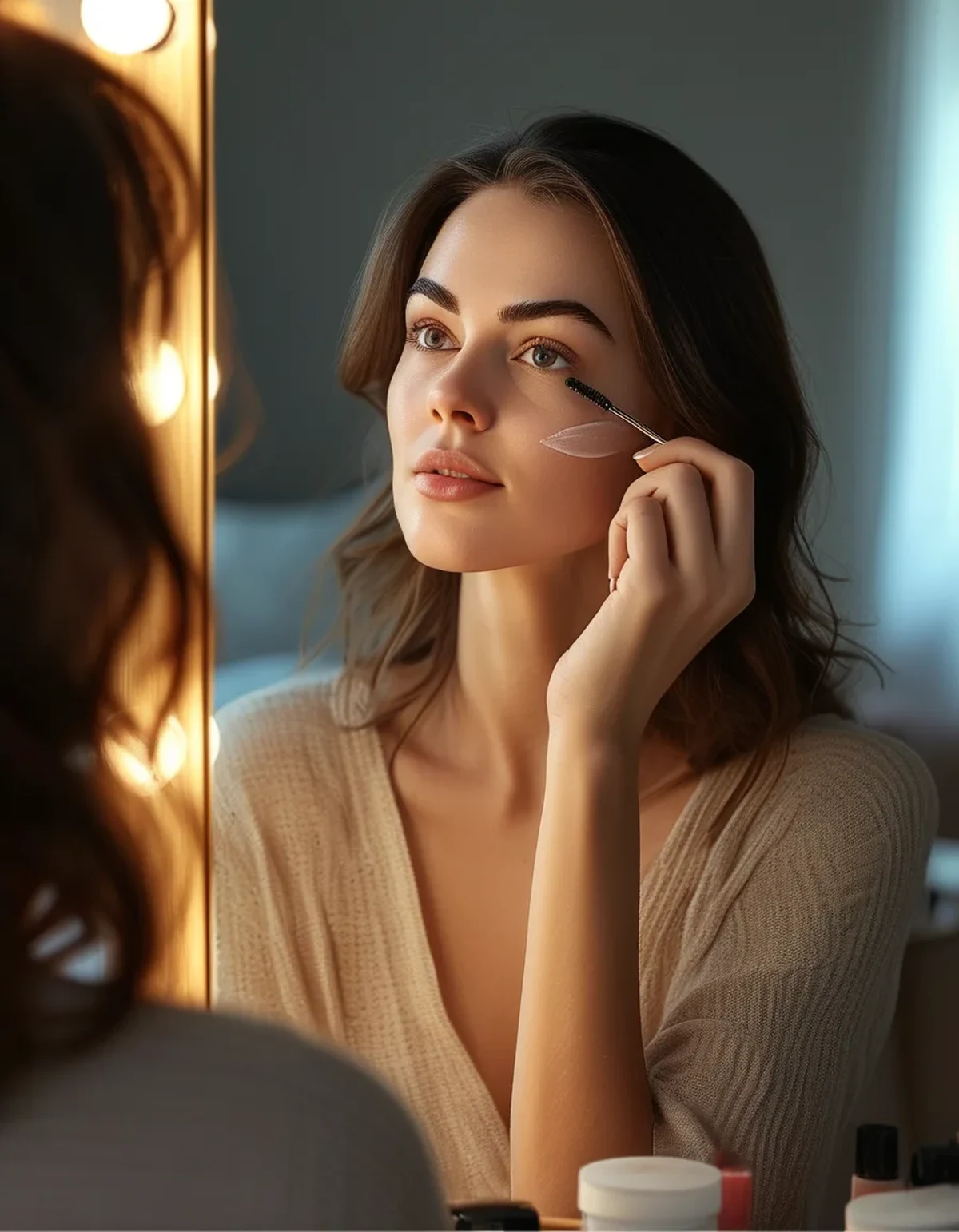
Add a conditioning step, and keep it simple. A lash and brow conditioner, or a small amount of a suitable oil applied to brows, helps reduce moisture loss. Apply it to brows generously and to the lash line sparingly - and take care to avoid getting product in your eyes.
Rethink the eyelash curler for the season. Mechanical curling puts significant stress on brittle hair, and it is the single most common cause of visible mid-shaft breakage. Curling less often, or warming the curler slightly rather than clamping harder, both reduce the damage.
Remove makeup gently and with the right product. Rubbing dry lashes with a cotton pad is where a lot of breakage happens. Hold a soaked pad against the lashes for several seconds to dissolve product, then wipe downward with almost no pressure.
Reconsider waterproof mascara as a daily choice. It requires more aggressive removal, which is the opposite of what brittle lashes need. Save it for days that genuinely require it.
Run a humidifier where you sleep. Six to eight hours in a room with better humidity is the highest-value change available, and it benefits your skin, throat, and sinuses at the same time.
And keep the direct heat off your face. Sleeping next to a radiator or sitting directly in front of a heater or car vent dries the area disproportionately - moving the chair or redirecting the vent is a free fix.
5 Mistakes That Make Autumn Lash Loss Worse
Mistake 1: assuming it is shedding and starting a serum immediately. If the cause is breakage from dryness and mechanical stress, a growth serum addresses the wrong end of the problem. Fix the environment and the handling first, then judge whether a serum is needed.
Mistake 2: rubbing your eyes when they itch. Autumn allergens plus dry air makes eyes itch, and rubbing is genuinely destructive to lashes. Treating the itch properly - and asking a pharmacist about it - protects the lashes as a side effect.
Mistake 3: going harder with the curler when lashes look flat. Flat, dry lashes hold a curl worse, which invites more clamping, which causes more breakage. Condition first and curl less.
Mistake 4: layering more mascara to compensate. More product means more removal, and removal is where the damage happens. Fewer coats of a mascara that removes easily is the better trade.
Mistake 5: expecting a fast recovery. Lash growth cycles run over weeks to months, so improvements from a change made today become visible over a similar timescale. Consistency matters more than intensity here.
What about brows specifically?
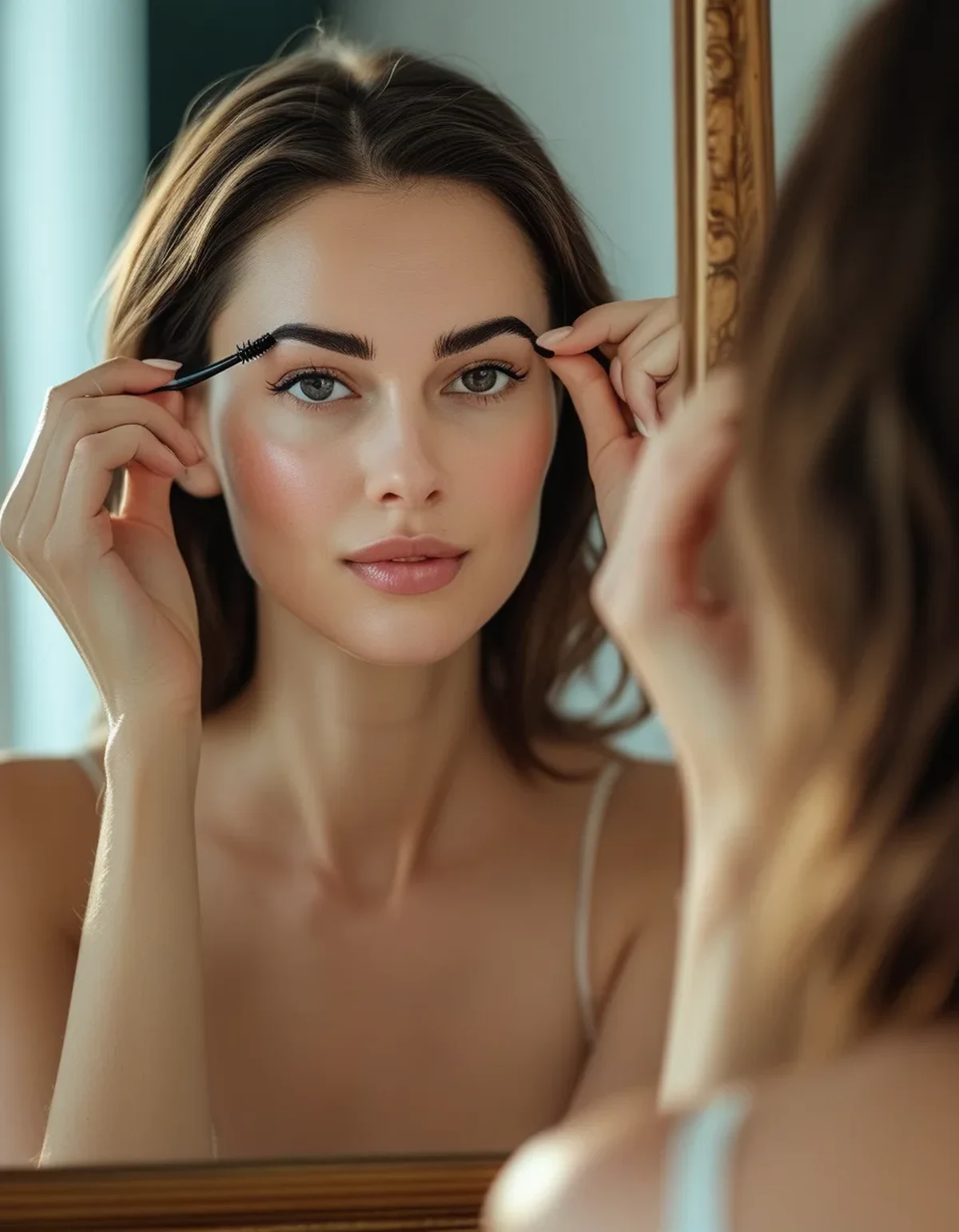
Brows dry out too, and they show it as coarseness and flyaway hairs. The same conditioning approach applies, and brows tolerate a more generous application than lashes because there is no eye immediately underneath.
Brushing helps distribute natural oils. A soft spoolie through the brows daily is a small habit with a visible effect, particularly in a dry season.
Cut back on brow gel with high alcohol content. Strong-hold gels can be drying with daily use, and pairing them with a conditioning step overnight keeps the hold without the cost.
Be more careful with tweezing in dry conditions. Skin that is drier is also more easily irritated, and post-tweezing redness lasts longer through the heating season.
And be patient with regrowth. Brow hairs have their own cycle, and a brow overplucked in September does not return by October. This is general information, not medical advice - sudden or patchy loss of brows or lashes, or loss accompanied by other symptoms, deserves a clinician’s opinion rather than a cosmetic fix, since it can occasionally point to a medical cause.
FAQ: Brows, Lashes, and Dry Air, Answered
Why do my lashes look thinner in autumn?
Frequently it is breakage rather than shedding. Indoor heating lowers humidity, dry hair becomes brittle, and the same curling, rubbing, and makeup removal that was fine in summer now causes mid-shaft breaks that look like thinning.
Does a humidifier actually help lashes?
It helps by addressing the cause - hair loses moisture to dry air, so raising the humidity where you spend the most time reduces that loss. The bedroom is the highest-value room since you are there for six to eight hours.
Should I stop using an eyelash curler in winter?
Not necessarily, but use it less often and with less force. Curling is the most common source of mechanical breakage, and brittle lashes tolerate it far less well than summer lashes do.
How long until lashes recover?
Lash growth cycles run over weeks to a few months, so give any change a similar timescale before judging it. Sudden, patchy, or symptomatic loss is different and should be assessed by a clinician.
TL;DR:
- Indoor heating lowers humidity, and dry hair - including lashes and brows - becomes brittle and breaks more easily.
- Breakage looks like shedding, which is why serums started in autumn often seem not to work.
- Add a conditioning step, curl less, remove makeup by soaking rather than rubbing, and rethink daily waterproof mascara.
- A bedroom humidifier is the highest-value single change, and keeping direct heat off your face is free.
- Give any change weeks to months to show, and get sudden or patchy loss assessed by a clinician.
Start before the radiators are fully on. Prevention takes a week; regrowth takes a season.
Keep Reading
This article is for general informational and styling purposes only. Fit, sizing, and product availability may vary.