Brows and Lashes: The Complete Guide to Framing Your Face
Makeup artists share a trade secret that sounds like exaggeration until you test it: get the brows right and the face looks finished with almost nothing else on. Brows and lashes are the face’s framing system — architecture, not decoration — and the past decade quietly revolutionized both: brow techniques recovered from the over-plucked 90s, lash options multiplied, and growth serums arrived with actual chemistry. Here is the complete framing guide, honest reviews included.
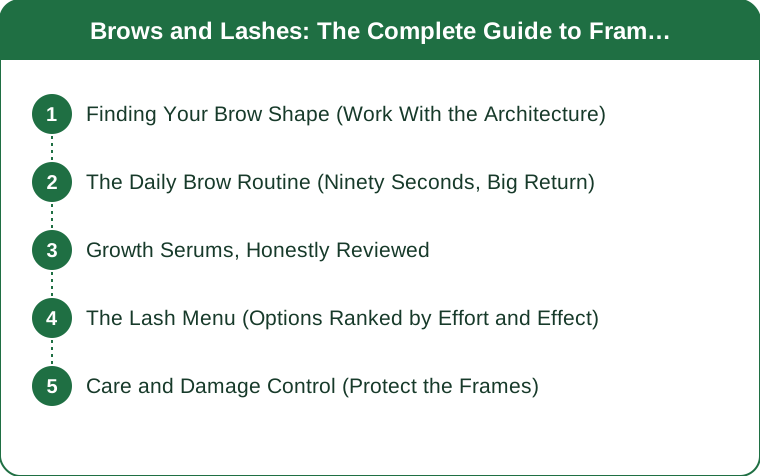
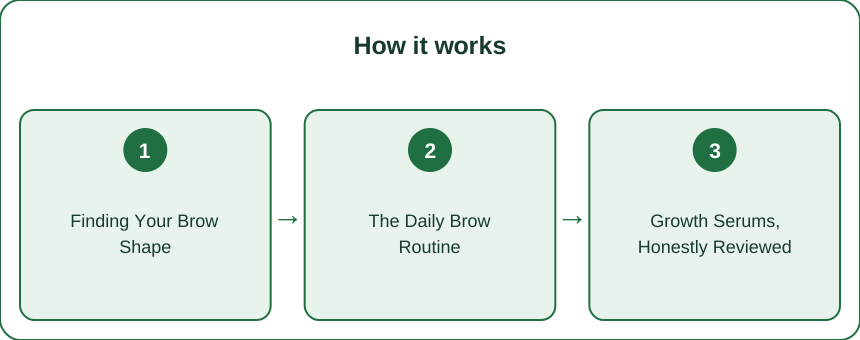
Finding Your Brow Shape (Work With the Architecture)
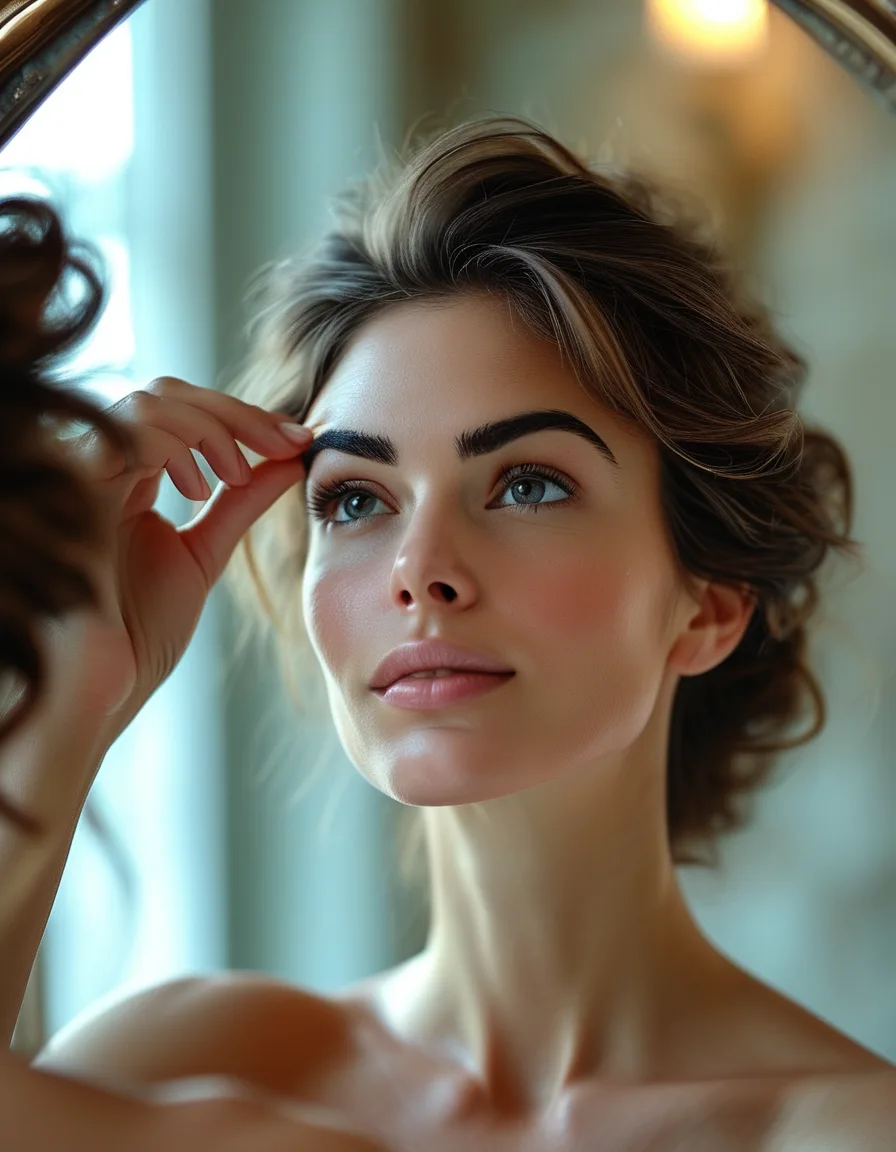
The foundational truth the thin-brow decades ignored: your best brow shape already exists — it is the one your bone structure and natural growth pattern drew, groomed rather than redrawn. The classic mapping still serves: the brow should start roughly above the inner tear duct, peak on the diagonal from nostril past the outer iris, and taper to the line from nostril past the outer eye corner — but modern practice uses mapping as a trim guide, not a stencil. The strategic rules: never chase symmetry to the death (brows are sisters, not twins — over-correcting one to match the other is how the 90s happened), remove only obvious strays below the arch on first passes, and when in doubt, grow first and decide later. Six patient weeks of growth reveals what you actually have to work with — most over-plucked brows hold more potential than their owners believe.
The Daily Brow Routine (Ninety Seconds, Big Return)
The modern minimal kit: a spoolie brush (the single most transformative fifty-cent tool in beauty — brushing brows up and out instantly adds fullness and polish), a brow gel (clear for grooming, tinted for density — the brushed-up-and-set look that defines current brows takes fifteen seconds), and a fine pencil or powder only where genuine gaps live (feather-light hair-strokes in sparse spots, never block-filling — the goal is your brows on a good day, not new brows). Technique economy: brush up, fill gaps sparingly, set with gel, done. The era of thirty-minute Instagram brows built like architecture renderings has mercifully passed; the current standard is groomed, full and recognizably yours.
Growth Serums, Honestly Reviewed
The chemistry sort: prescription bimatoprost (Latisse) is the only FDA-approved lash growth treatment — genuine, trial-proven lengthening and thickening, with real fine print (cost, possible iris and lid darkening in rare cases, and results that reverse on stopping — a dermatologist conversation); over-the-counter peptide serums occupy the plausible middle: peptide-and-conditioning formulas show modest published support and abundant satisfied users — hydrated, conditioned lashes break less, which reads as growth even when it is mostly retention (a worthwhile $30–60 experiment with 8–12 week patience); and castor oil, the folk remedy, has zero growth evidence but legitimate conditioning value. The universal caveats: patch-test anything applied nightly to eyelids, and treat any serum promising prescription results at drugstore prices with the skepticism it earned. Brow versions of the same serums follow the same logic — and brows respond even more visibly, since brow thinning is often over-plucking damage that conditioning helps retention outlast.
The Lash Menu (Options Ranked by Effort and Effect)
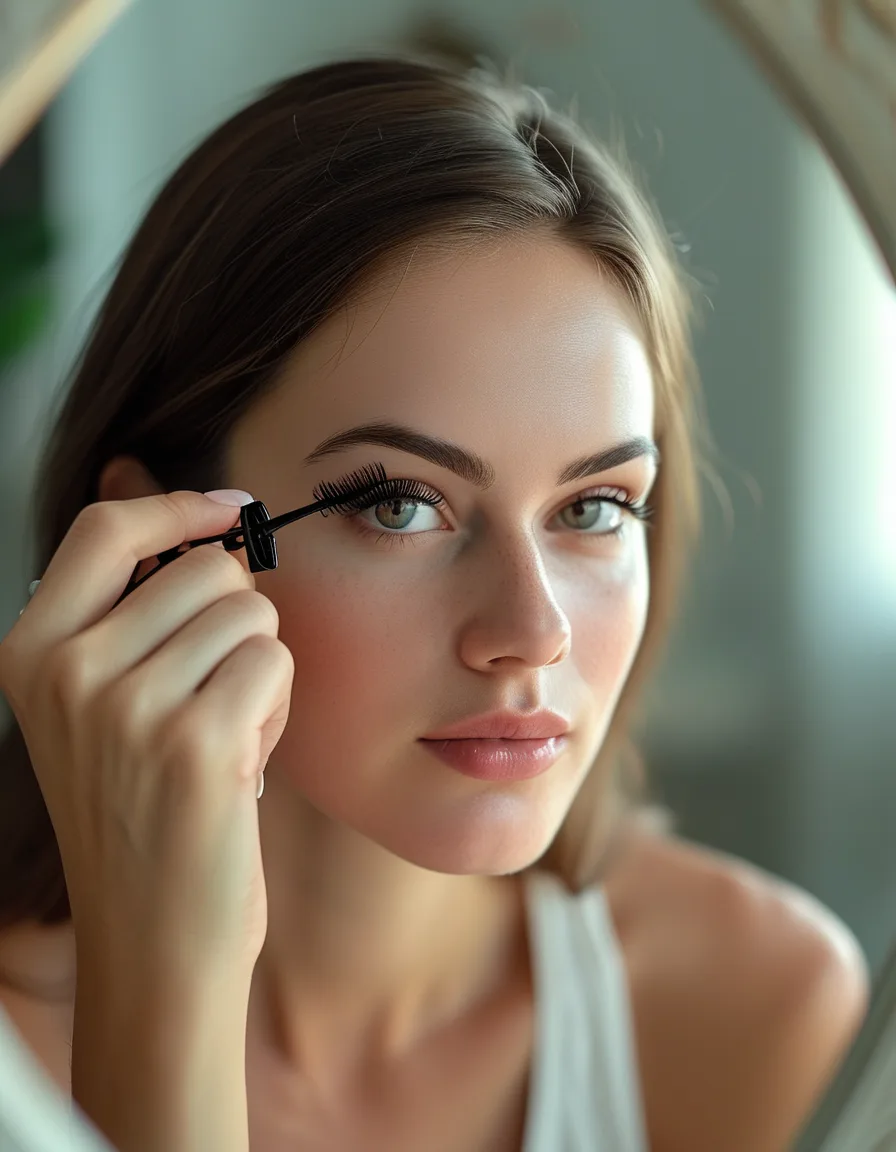
The full spectrum, effort-ordered: a good mascara plus curler remains the daily champion (the curler-first, wiggle-at-the-root technique delivers 80% of what the whole aisle promises — replace mascara quarterly for hygiene), lash lifts (the salon perm for your natural lashes — 6–8 weeks of curled, open-eyed mornings with zero daily effort; the best value-per-dollar in the category for women with decent natural length), tints for the fair-lashed (pairing naturally with lifts), extensions (the full-glamour tier — beautiful, high-maintenance, and honest costs: fills every 2–3 weeks, natural-lash stress with aggressive weights, and a real budget line; choose conservative lengths and certified techs if you commit), and magnetic or strip lashes for event-only deployment. The strategic read: lifts for low-maintenance daily upgrade, extensions for seasons when mornings must be effortless, mascara for everything else — and serums underneath any of them, playing the long game.
Care and Damage Control (Protect the Frames)
The retention rules: remove eye makeup gently and completely every night (mascara slept in is lash breakage scheduled — micellar water or balm cleansers dissolve rather than scrub), retire the waterproof-mascara-daily habit (the removal friction costs more lashes than the smudge-proofing is worth — save it for weddings and humidity emergencies), never pick at lash extensions or peel strip-lash glue (both take natural lashes as hostages), give brows and lashes their version of skincare (the serum-or-conditioning nightly slot), and audit the tools: curlers with fresh pads (old cracked pads crease and cut), clean spoolies, and sharpened pencils. The meta-rule across the whole guide: frames respond to patience and protection more than product stacking — six conditioned, un-scrubbed, gently-handled weeks outperform any single purchase. The good-brow day is buildable. It was always mostly yours to begin with.
Brows and lashes, framed: map and groom what you naturally grow, run the ninety-second spoolie-gel-gap routine, spend serum money on peptides with patience (or the prescription conversation), pick your lash tier by honest maintenance appetite, and protect it all with gentle nightly removal. The finished-face secret was never more makeup. It was better frames — and yours are six patient weeks from their best.
Keep Reading
This article is for general informational and styling purposes only. Fit, sizing, and product availability may vary.