Brow Lamination vs Microblading: Which One Actually Fits Your Routine?
Quick Answer: Brow lamination reshapes and sets your existing brow hair for 6-8 weeks and is lower commitment and lower cost, while microblading semi-permanently deposits pigment to create the appearance of hair strokes and lasts 1-2 years but requires a healing process and more upfront cost — the right choice depends on how much brow hair you actually have to work with.
Both treatments solve the ‘I want fuller-looking brows without daily filling’ problem, but they solve it through entirely different mechanisms, which matters a lot depending on your brow hair density and how often you’re willing to redo a treatment.
What does brow lamination actually do?
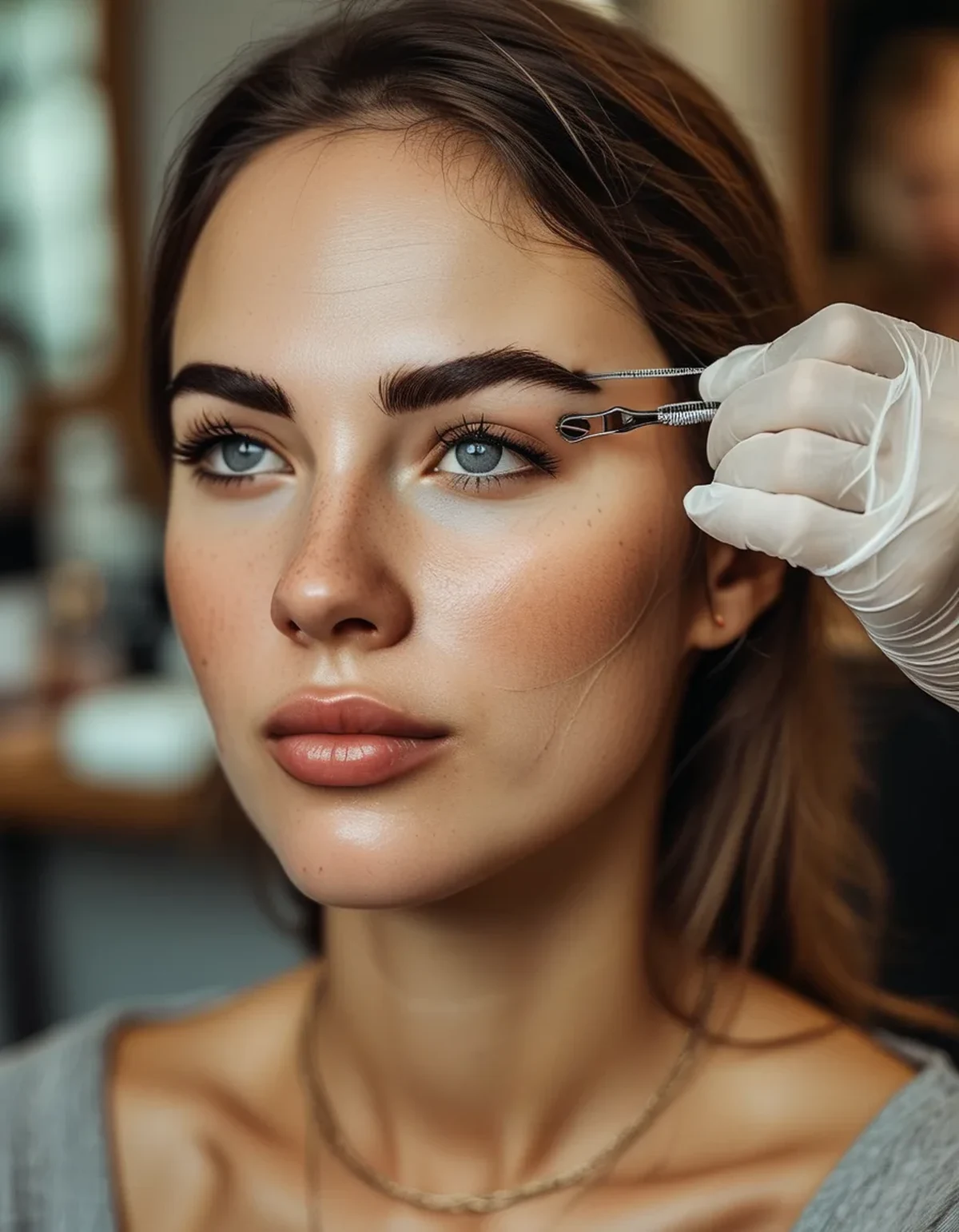
Lamination uses a chemical solution (similar in concept to a perm) to reshape and set existing brow hairs in a uniform upward or angled direction, making sparse or unruly brows look fuller and more groomed without any pigment added. It’s best suited to people who have enough natural brow hair to reshape — it can’t create the appearance of hair where there genuinely isn’t any.
What does microblading actually do, and how is it different?
Microblading uses a fine blade to deposit pigment into the skin in hair-stroke patterns, creating the visual appearance of additional brow hairs even in areas with genuine sparseness or gaps from over-plucking. Unlike lamination, this works even with limited natural brow hair, because it’s adding the appearance of hair rather than reshaping what’s already there.
How does the commitment level compare?
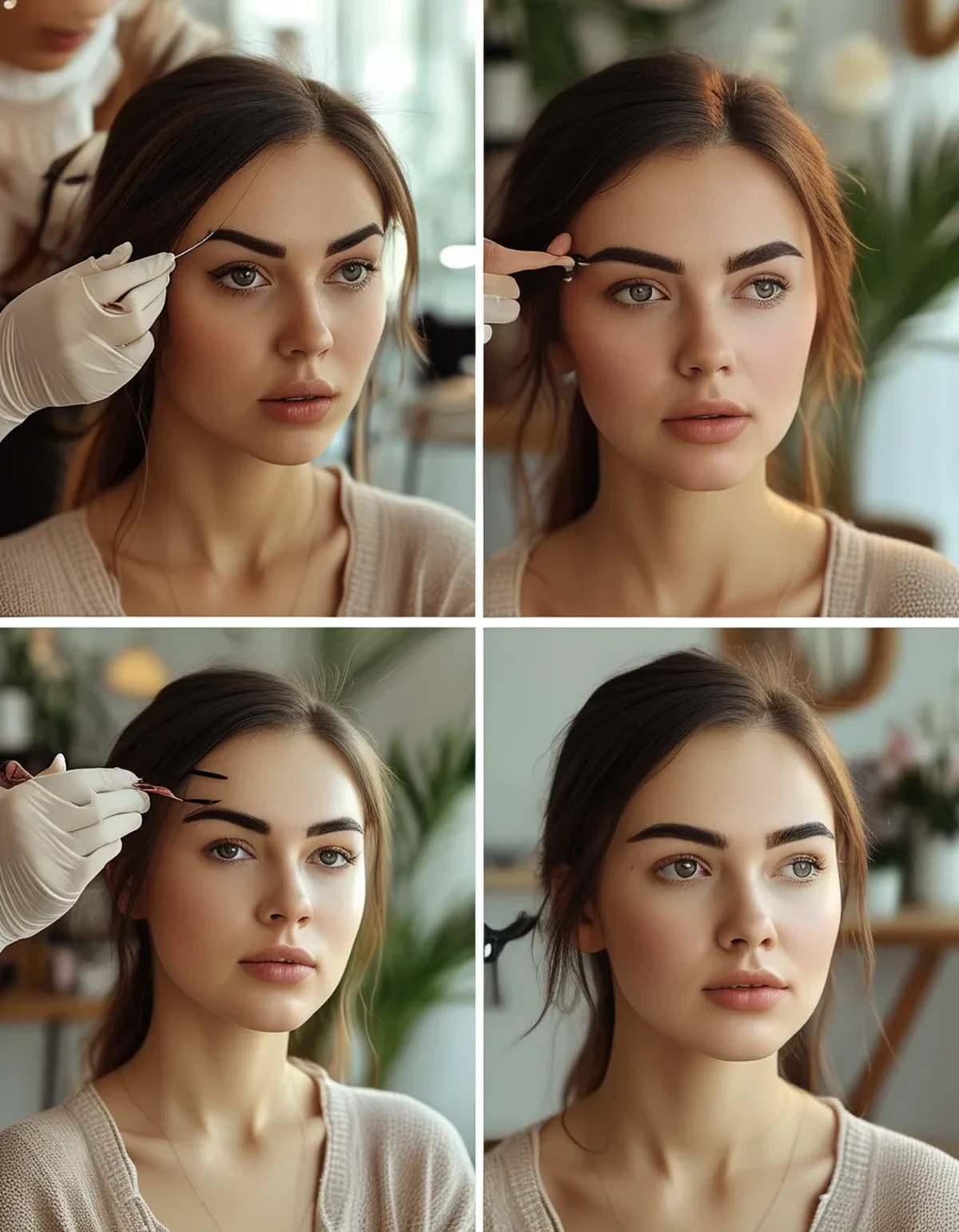
Lamination lasts roughly 6-8 weeks and involves a single, relatively quick appointment with no healing downtime, making it low-commitment and easy to stop or switch techniques. Microblading lasts 1-2 years (with touch-ups), requires a healing period of about a week with some redness and light scabbing, and represents a bigger financial and time commitment upfront — not something to enter into for a one-time event.
Which one actually suits sparse or over-plucked brows better?
For genuinely sparse brows or noticeable gaps from years of over-plucking, microblading typically produces a more complete-looking result, since it adds pigment where hair isn’t growing at all. Lamination on very sparse brows can look neater but won’t create the illusion of fullness in gapped areas the way microblading’s hair-stroke pigment does.
FAQ: Brow Lamination and Microblading Questions, Answered
Can I do lamination and microblading together?
Yes — some people combine both, using microblading for structure and gap-filling, then lamination periodically to keep natural hairs groomed and set.
Does either treatment hurt significantly?
Lamination is generally painless; microblading involves mild discomfort, often reduced with topical numbing cream during the appointment.
How do I choose between them if I’m not sure how much natural brow hair I have?
A consultation with a brow specialist can assess your hair density honestly and recommend which treatment will actually deliver the result you’re picturing.
TL;DR:
- Lamination reshapes existing brow hair; microblading adds pigment to create the appearance of hair
- Lamination is lower cost and commitment (6-8 weeks); microblading lasts 1-2 years with more upfront investment
- Sparse or gapped brows from over-plucking typically see better results from microblading
- A consultation can honestly assess which treatment fits your actual brow hair density
If you’re unsure which fits your brows, start with lamination — it’s the lower-commitment option and can inform whether you want to invest in microblading later.
Keep Reading
This article is for general informational and styling purposes only. Fit, sizing, and product availability may vary.